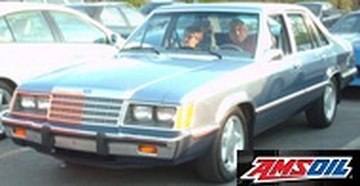
Engine Oil Maintenance for your 1983 Ford LTD 5.8L
Maintaining the lubrication system is one of the most critical aspects of long-term vehicle care. For a vehicle like the 1983 Ford LTD equipped with a 5.8L engine, regular attention to oil quality and levels ensures that internal components remain properly lubricated under various operating conditions.
How often should I change the oil in my 1983 Ford LTD 5.8L?
To determine the correct interval for an oil change, you should follow the owner's manual or the manufacturer maintenance schedule. Do not rely on estimated mileage or timeframes, as the specific requirements for your vehicle are defined by the original manufacturer documentation.
Understanding Engine Oil Viscosity
Viscosity refers to a fluid's resistance to flow. In an internal combustion engine, the oil must be thin enough to circulate quickly during a cold start but thick enough to maintain a protective film when the engine reaches operating temperature. For this specific 1983 Ford LTD application, 5W-30 is the database-allowed viscosity.
Using the correct viscosity helps ensure that oil reaches critical engine components, such as camshafts and bearings, without undue delay. When selecting a product, always verify that the weight matches the requirements for your specific engine configuration to maintain proper hydraulic pressure and lubrication efficiency.
The Role of the Oil Filter
Every time the engine oil is changed, the oil filter should be replaced. The filter is responsible for capturing contaminants, such as microscopic metal particles, carbon deposits, and dust, that naturally accumulate in the oil during the combustion process. If a filter becomes clogged or reaches the end of its service life, it can restrict oil flow or allow unfiltered oil to bypass the element, potentially leading to increased wear on engine internals.
When performing maintenance, ensure that the new filter is properly seated and that the gasket is lubricated before installation to prevent leaks. Regularly inspecting the area around the filter for signs of seepage can help identify potential issues before they lead to significant oil loss.
Monitoring Oil Levels and Condition
Relying solely on scheduled intervals is not a substitute for regular manual inspections. Checking the engine oil level using the dipstick is a fundamental maintenance task that should be performed frequently. Low oil levels can lead to increased friction, overheating, and catastrophic engine failure.
Beyond checking the quantity, observe the condition of the oil. Oil that appears excessively dark, gritty, or has a strong odor of fuel may indicate underlying issues that require professional inspection. Similarly, if you notice milky or frothy textures in the oil, this can be an indication of coolant contamination, which necessitates immediate attention.
Identifying Potential Leaks
Oil leaks can stem from various points, including valve cover gaskets, oil pan gaskets, or the rear main seal. Even a slow drip can lead to a gradual loss of lubrication and create environmental hazards or fire risks if oil contacts hot exhaust components.
Regularly inspecting the engine bay and the ground where the vehicle is parked can help you identify leaks early. If you notice fresh oil spots on your driveway or see oil pooling around the engine block, it is important to address the source of the leak to maintain proper lubrication levels and prevent further mechanical damage.
The Importance of Cleanliness in Lubrication
Contamination is a primary enemy of engine longevity. Contaminants can enter the system through old oil, faulty seals, or even during the oil change process itself if tools and containers are not clean. Maintaining a clean environment when performing your own maintenance helps prevent debris from being introduced into the sensitive internal passages of the 5.8L engine.
Properly disposing of used oil is also an essential part of the maintenance process. Used motor oil contains various chemical byproducts and heavy metals that should be handled according to local environmental regulations. Most automotive service centers or local recycling facilities provide options for safe disposal.
BUYING ENGINE OIL
When you are ready to purchase supplies, look for products that meet the specific viscosity requirements for your vehicle. Check the labels carefully to ensure the weight is correct for your 1983 Ford LTD. It is helpful to have your vehicle information ready when visiting an auto parts retailer to ensure you select the appropriate oil and filter for your engine. Always prioritize following the manufacturer's guidance regarding fluid types to maintain the health of your engine.